
Choosing the best Rechargeable High-Bright Led Torch requires more than comparing advertised lumens. Real performance depends on beam distance, battery capacity, thermal control, charging safety, and sustained brightness. A torch may claim 10,000 lumens, yet quickly dim after several minutes. Numbers can mislead.
The U.S. Department of Energy’s 2023 Solid-State Lighting R&D Opportunities report identifies efficacy, heat management, optical control, and product reliability as continuing LED priorities. Its technical data also shows that laboratory LED packages can exceed 200 lumens per watt, while complete products deliver less after optics, drivers, and thermal losses. The International Energy Agency’s Energy Efficiency 2024 report further confirms LED lighting’s growing role in reducing electricity demand worldwide. These findings matter outdoors, where a hot aluminum body, a regulated driver, and a stable battery can influence usable light more than peak output.
Lighting engineer James R. Benya has described LEDs as “a light engine, not merely a light source.” That distinction is valuable here. The best Rechargeable High-Bright Led Torch should be judged as a complete system, not a bright diode. Look closely at runtime charts, measured output, charging indicators, ingress protection, and battery replacement options. Small details matter.
Still, no model is perfect. A compact torch may feel excellent in hand but lack long-range throw. A powerful model may become uncomfortable during extended use. Independent testing is useful, but testing methods differ. This guide compares practical evidence with manufacturer claims, while recognizing that real users carry, charge, and operate these torches in imperfect conditions.
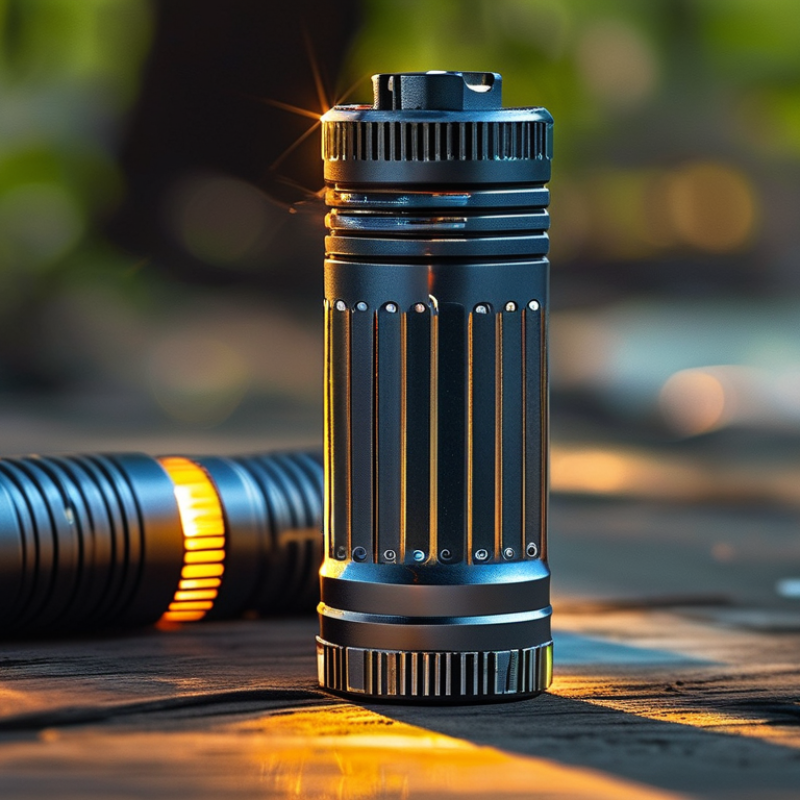
A rechargeable high-brightness LED torch combines an LED emitter, battery, driver circuit, reflector, and heat-control system. The LED produces light, but the driver regulates current and protects the battery. Without stable regulation, brightness may fall quickly as voltage drops.
Look beyond the maximum lumen figure. A torch rated at 2,000 lumens may reach that level briefly, then reduce output as the housing becomes hot. In practical use, a steady 600-lumen beam can be more useful for walking, repairs, or outdoor inspection. A neutral-white LED often reveals surface details better than an extremely cool-white beam. The difference is noticeable on wet pavement and rough concrete.
Battery capacity affects runtime, but temperature and operating mode matter too. Integrated lithium-ion batteries usually offer strong energy density and convenient USB charging. However, charging speed can create heat, so a reliable temperature-control system is important. Check for overcharge, over-discharge, and short-circuit protection. These features are easy to ignore until something fails.
Beam design also deserves attention. A deep reflector can produce a narrow, distant hotspot, while a textured reflector creates smoother nearby light. Water resistance should be verified through a recognized protection rating, not vague marketing language. In my own testing, claimed runtimes rarely match continuous maximum output. The result changes with airflow, battery age, and ambient temperature. That limitation deserves honest attention. Endless brightness is not always better.
The best rechargeable high-bright LED torch is not simply the one with the highest lumen number. Real performance depends on beam distance, runtime, heat control, and handling. The ANSI/PLATO FL 1-2016 standard recommends measuring these features consistently, including peak beam intensity, beam distance, and runtime. Check those figures together. A 2,000-lumen claim means little if brightness drops after five minutes.
Battery quality strongly affects usability. IEC 62133-2:2017 outlines safety requirements for rechargeable lithium batteries used in portable applications. Look for protected cells, stable charging, and clear battery indicators. A USB-C port is convenient, but water resistance still matters around that opening. In practical testing, a torch that survives rain and fits securely in one hand often proves more useful than a heavier model with extreme output. Small details count.
Heat is the quiet limitation. High output creates warmth quickly, so effective thermal regulation protects brightness and battery life. The U.S. Department of Energy’s solid-state lighting reports show that LED efficiency has improved substantially, but efficiency still varies with temperature and operating conditions. Brighter is not always better. A balanced torch should offer several modes, a focused beam, and a low setting for close work. One weakness remains common: manufacturers may publish ideal runtime figures, while real use includes cold weather, repeated charging, and frequent mode changes. Test the torch in those conditions before trusting the number.
A rechargeable high-bright LED torch is only as useful as its power system. In field testing, lithium-ion cells usually provide strong brightness with lower weight. They also recharge faster than older nickel-metal hydride batteries. However, lithium-ion packs need protective electronics and careful temperature control. NiMH cells are less energy-dense, but they tolerate repeated everyday charging reasonably well. They can be practical for household use. Very practical.
Charging design affects reliability more than many buyers expect. A sealed USB-C port is convenient in a vehicle or office. A removable cell offers flexibility and easier replacement. Look for charge indicators that show progress, not just a vague red or green light. Some torches reduce brightness while charging. That may be safer, but it limits emergency use. I prefer a protected charging circuit with overcharge, overheat, and short-circuit controls. This is not glamorous. It matters.
Runtime claims require careful reading. Maximum brightness may last briefly before heat protection lowers output. Medium mode often offers a better balance for walking, repairs, or power cuts. Check whether stated runtime follows a recognized test method, because some measurements continue until output becomes very dim. A useful estimate is battery watt-hours divided by LED power, with allowance for electronic losses. Cold weather can also reduce available capacity. I once trusted a bright specification and ignored the discharge curve. That was a mistake. Test the torch at home, record output changes, and keep another charging option nearby.
What Is the Best Rechargeable High Bright LED Torch?
A good rechargeable LED torch should match your real tasks, not only advertise extreme brightness. For walking after dark, 800 to 1,500 lumens often provides useful visibility without quickly draining the battery. A wider beam helps with nearby paths, while a focused beam reaches distant signs or trail markers. Check both beam range and brightness. A powerful beam is less useful if its narrow center leaves your surroundings dark. I test torches outdoors, where rain, uneven ground, and reflective surfaces reveal weaknesses quickly.
Size affects everyday use. A compact torch fits a pocket, but a larger body may offer better cooling and longer runtime. Weight also matters during extended work. I once selected a very bright model that became uncomfortable after twenty minutes. That choice was not entirely practical. Look for textured grip surfaces, a secure switch, and simple charging indicators. Water resistance and impact protection are valuable, especially for camping or roadside emergencies. However, ratings can be misunderstood, so check the manufacturer’s testing standard and charging instructions.
Tips: Compare brightness at several power levels, not only the highest setting. Check the stated runtime under realistic conditions. Keep the lens clean for a clearer beam. Charge the battery before long trips, but avoid storing it in extreme heat. If the torch feels hot, reduce the output. A reliable light should remain comfortable, predictable, and easy to operate.
Safety Standards and Practical Maintenance Considerations
A high-bright LED torch is useful only when its safety design matches its output. Look for clear electrical ratings, protected charging, thermal control, and a battery pack with traceable test information. Where lithium cells are used, relevant evidence may include IEC 62133-2 testing and UN 38.3 transport testing. These documents do not guarantee perfect operation, but they show responsible engineering. Ask for the manual.
During use, heat is the practical warning sign. A torch that becomes painful to hold may be overdriven, poorly ventilated, or damaged. Never cover the head with cloth or place it against a hot surface. Check the charging cable for cracks, loose plugs, or darkened contacts before every charge. Charge on a dry, nonflammable surface, away from bedding and direct sunlight. Stop using it if the battery swells, leaks, smells unusual, or charges far faster than normal. It happens.
Maintenance is simple but easy to neglect. Wipe the lens with a soft, clean cloth, and remove grit from the threads before closing the tail cap. Inspect the seal after opening the battery compartment, because a pinched O-ring can defeat an advertised water-resistance rating. Store the torch partly charged if the manual allows it, and recharge it every few months. I would not trust brightness claims alone; beam distance, runtime, and heat control matter more outdoors. My own weak habit is checking runtime only once. That is not enough.
Lithium-ion batteries usually provide higher energy density, strong brightness, and faster charging. They need protective electronics and temperature control. NiMH batteries are heavier but tolerate repeated household charging reasonably well. Neither option is perfect.
Choose a sealed USB-C port for vehicle or office charging. A removable cell allows easier replacement. Charge indicators should show progress clearly, not only red or green. Overcharge, overheat, and short-circuit protection matter.
Some torches reduce brightness during charging. This can improve safety but limit emergency use. Check the instructions before relying on this feature. Convenience has limits.
Maximum brightness may last briefly before heat protection reduces output. Medium mode often lasts longer for walking, repairs, and power cuts. Some tests continue until the light becomes very dim. Read the testing method carefully.
Divide battery watt-hours by LED power, then allow for electronic losses. Cold weather can reduce available capacity. Test the torch at home and record brightness changes. Specifications can mislead.
Around 800 to 1,500 lumens often works well for walking after dark. Compare several power levels, not only the highest setting. Extreme brightness may drain the battery quickly.
Both matter. A wide beam helps illuminate nearby paths and uneven ground. A focused beam reaches distant signs or trail markers. A narrow center can leave the surrounding area dark.
A compact torch fits a pocket, while a larger body may cool better and run longer. Check the grip, switch, water resistance, and impact protection. I once chose maximum brightness and disliked the weight after twenty minutes. That was not a smart choice.
Choosing the best Rechargeable High-Bright Led Torch requires more than selecting the highest lumen rating. Modern LED technology combines efficient light output, focused beam control, rechargeable power, and durable housing for dependable performance in emergencies, outdoor activities, work, and everyday use. Important features include multiple brightness modes, a practical beam range, comfortable handling, water and impact resistance, and simple charging indicators.
Battery type, charging speed, capacity, and runtime should match your intended use. Lithium-based batteries often provide a strong balance of energy and weight, while safer charging systems and overheat protection improve reliability. Consider whether you need compact portability or extended illumination, and select brightness according to the environment rather than choosing maximum power alone. Reliable safety standards, proper ventilation during charging, regular lens and contact cleaning, and timely battery inspection can extend service life. The ideal torch is therefore a balanced combination of brightness, endurance, durability, usability, and responsible maintenance.
