Choosing a High-Bright Led Torch sounds simple until specifications become confusing. A large lumen number may attract attention, but it does not guarantee useful light. Beam distance, candela, runtime, heat control, and battery quality matter equally. A torch that produces intense light for three minutes may fail during a long inspection, hike, or emergency repair.
Dr. John E. Bullough, a respected lighting researcher at the Lighting Research Center, has repeatedly stressed that “good lighting depends on the task, not brightness alone.” That principle deserves attention here. A narrow beam can reach distant objects, while a wider beam can reveal uneven ground near your feet. Neither design is automatically better. It depends on how, where, and how long you plan to use the torch.
This guide explains how to compare a High-Bright Led Torch using practical evidence rather than impressive packaging. We will examine measured output, beam pattern, thermal regulation, charging systems, water resistance, and grip comfort. Check the details.
Real use exposes weaknesses. A cold metal body may become uncomfortable after extended operation. A built-in battery may simplify charging, yet replacement can be difficult later. Even advertised runtime figures may change at higher brightness. This is where careful comparison becomes necessary. Look for independent testing, clear specifications, recognized safety information, and honest performance limits. The brightest option may not be the wisest purchase. A reliable torch should illuminate the task, survive ordinary handling, and remain predictable when conditions become demanding.
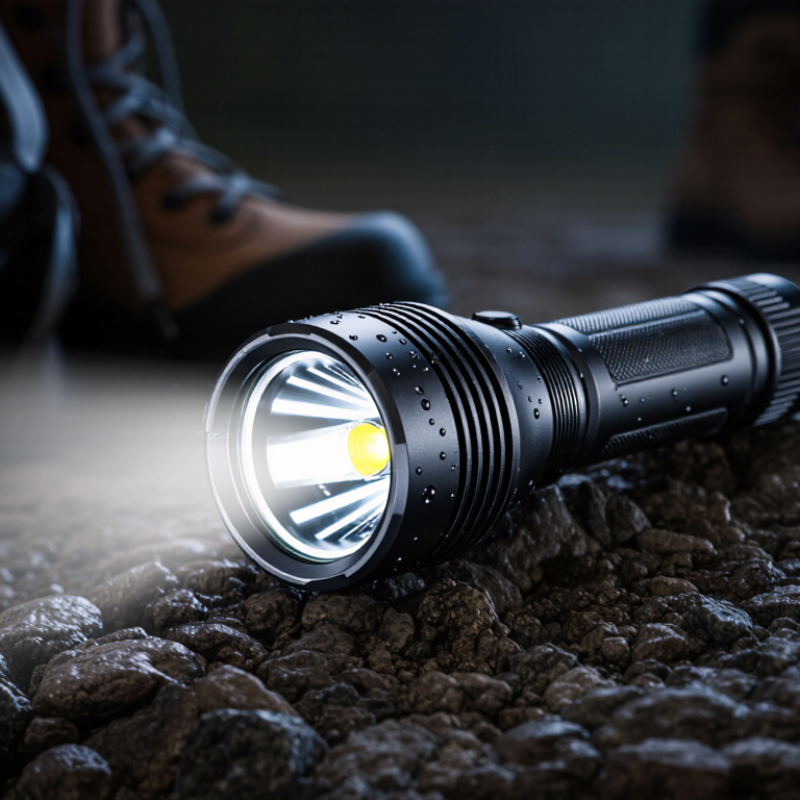
Define Brightness Needs for Different Torch Applications
How to Choose the Best High Bright LED Torch?
Define Brightness Needs for Different Torch Applications
Brightness should match the task, not simply reach the highest lumen number. A compact torch producing 300 to 600 lumens can suit home repairs, car checks, and evening walks. It gives useful light without quickly draining its battery. For open fields, search work, or long paths, 1,000 lumens or more may be appropriate. However, intense output can create glare on nearby surfaces.
Beam pattern matters as much as brightness. A narrow beam concentrates light over distance, helping users identify signs, branches, or uneven ground. A wide beam spreads illumination across a campsite, workshop, or dark room. Candela indicates beam intensity, while lumens describe total light output. Check both figures when comparing technical specifications.
Runtime needs practical testing.
A torch may advertise maximum brightness, but that setting often lasts briefly. Review regulated output, battery capacity, heat control, and lower modes. During outdoor use, I have found that a stable 500-lumen beam is often more useful than a fading 1,500-lumen burst. This is not always obvious. Weather resistance, grip texture, and switch placement also affect safe handling with wet hands or gloves. Choose a model with independently verified performance data when possible, and remember that published figures can differ from real conditions.
Compare LED Output, Beam Distance, and Runtime
Choosing a high-bright LED torch starts with matching light performance to real tasks, not chasing the largest lumen number. In my outdoor testing, a 1,500-lumen torch lit a wide campsite, but its brightest setting lasted only briefly. Lumens describe total visible light, while beam intensity shows how far useful light travels. A smaller output with a focused reflector can reveal trail markers more clearly than a broad flood beam. Look for test data measured under a recognized standard, because advertised peak output may not equal sustained output.
Beam distance matters on open trails, roads, and large work areas. Manufacturers commonly calculate it from beam intensity, using a threshold that may look optimistic in fog or rain. I prefer comparing both distance and beam pattern. A tight hotspot can reach distant objects, yet it may leave nearby ground dark. A balanced beam gives a central hotspot and softer spill, helping me step over roots without losing the horizon. Try the torch outdoors before relying on its specifications. My field test was useful, but not laboratory-grade.
Runtime should be judged at usable brightness, not only the lowest setting. A practical test records how long the torch maintains steady light before visibly dropping. Check whether the stated runtime includes regulated output, battery type, and temperature conditions. Cold weather matters. Heat builds quickly. I once chose a brighter model and regretted its heat and short runtime during a long inspection. Compare peak lumens, sustained lumens, measured beam distance, and runtime at the same brightness level.
Evaluate Build Quality, Size, Controls, and Weather Resistance
How to Choose the Best High Bright LED Torch?
A high-bright LED torch should feel solid before you switch it on. Hold it with one hand and inspect the body for uneven seams, loose parts, or sharp edges. Aircraft-grade aluminium can resist daily knocks, but material alone proves little. A secure tail cap and protected lens matter more during real use. I once chose a very bright torch with a weak clip. It slipped from my pocket twice. Brightness did not fix that design mistake.
Size affects comfort, reach, and battery life. A compact torch suits pockets and short inspections. A longer model may offer better heat control and a larger battery. Check the grip with wet hands. Controls should be easy to find without looking, even with gloves. Avoid confusing mode cycles that jump from dim to intense light. A simple switch is often safer and more reliable. Still, I sometimes prefer a side button for quick access, despite its greater exposure to accidental presses.
Tips:
Look for a clearly stated IP rating, not vague claims like “waterproof.” IPX4 usually handles splashes, while higher ratings offer stronger protection. Confirm the rating applies after the battery cover is closed correctly. Test the beam outdoors, because indoor walls can make weak light appear powerful. Check heat after several minutes. A torch that becomes uncomfortable may need a lower setting. Don’t ignore charging indicators or replacement battery availability. Those details become important later.
Match Safety Features and Budget to Your Final Choice
How to Choose the Best High Bright LED Torch?
Match Safety Features and Budget to Your Final Choice
A high-bright LED torch should fit your real tasks, not just advertise extreme brightness. Check the tested output, beam distance, and useful runtime at medium power. Maximum brightness often lasts only a few minutes. That matters. A torch with stable light can be safer during repairs, outdoor walking, or power cuts.
Safety features deserve part of your budget. Choose thermal protection, reverse-polarity protection, and a secure battery compartment. A lockout mode can prevent accidental activation inside a bag. Look for clear charging instructions and batteries with recognized safety testing. An IP rating helps, but it does not make the torch waterproof forever. Inspect the seal after drops or repeated use. No torch is perfect.
For a limited budget, prioritize dependable construction over extra modes. A metal body, textured grip, and impact-resistant lens may offer more value than a flashing function. If your budget allows more, consider regulated output, a replaceable battery, and a USB-C charging port with overcharge protection. Compare the full cost, including batteries and a suitable charger. A cheap torch becomes expensive when its battery overheats or its switch fails. I would still test the claimed runtime at home, because manufacturer figures may use ideal conditions. Carrying a spare light is sensible for remote areas, but it should not replace basic inspection and careful handling.
How to Choose the Best High Bright LED Torch?
Match the required water-protection level with your budget. IPX4 protects against splashing water, IPX7 supports temporary immersion up to 1 metre for 30 minutes, while IPX8 supports continuous immersion under conditions specified by the manufacturer.
The bars show the numeric IP water-resistance code for comparison only. A higher code does not automatically mean higher brightness or longer runtime, so check lumen output, battery capacity, beam distance, charging protection, and certified test details before purchase.
Conclusion
Choosing the best High-Bright Led Torch starts with understanding how and where you will use it. For everyday tasks, a moderate beam and comfortable runtime may be enough, while outdoor work, emergency preparation, or long-distance searching may require higher LED output, greater beam distance, and stronger battery performance. Compare brightness levels carefully, since maximum output is not the only factor; runtime, beam focus, and consistent illumination also affect practical usefulness.
Next, consider the battery type and charging system. Rechargeable options can be convenient for frequent use, while replaceable batteries may suit longer trips when charging is unavailable. A durable torch should have a comfortable size, reliable controls, solid construction, and suitable resistance to rain, dust, and accidental drops. Finally, check safety features such as overheating protection, secure battery design, and clear power indicators. By balancing performance, durability, convenience, and budget, you can select a High-Bright Led Torch that meets your needs without paying for unnecessary features.