
Choosing an Energy-Saving Led Flashlight requires more than comparing brightness claims. A higher lumen number does not automatically mean lower energy use. Real efficiency depends on the LED, driver circuit, battery, optics, and operating mode. ENERGY STAR reports that LED lighting can use at least 75% less energy than incandescent lighting and last up to 25 times longer. However, flashlight performance can vary significantly from these general lighting figures.
Look beyond the package.
A reliable comparison should record lumens, runtime, battery capacity, and regulated output. ANSI/PLATO FL 1 testing provides useful definitions for beam distance, peak beam intensity, runtime, and impact resistance. These measurements make competing products easier to compare, although marketing labels may still confuse inexperienced buyers. The U.S. Department of Energy’s solid-state lighting research also emphasizes efficacy, thermal management, and electronic control as key performance factors. In practical use, a 500-lumen flashlight with a stable low-power mode may serve longer than a brighter model that quickly overheats. Check the beam at arm’s length, inspect the charging indicator, and test whether brightness drops sharply after ten minutes. Small details matter.
Battery chemistry matters too. Rechargeable lithium-ion cells may reduce disposable battery waste, but poor charging systems can shorten their service life. Choose protection against overcharging, overheating, and deep discharge. A durable aluminum body and replaceable battery can improve long-term value, yet they may increase weight. There is no perfect choice. This guide examines efficiency, safety, durability, and honest performance data, helping buyers select an Energy-Saving Led Flashlight for camping, emergency storage, work, or daily carry. Expect trade-offs. That is the part many product pages omit.
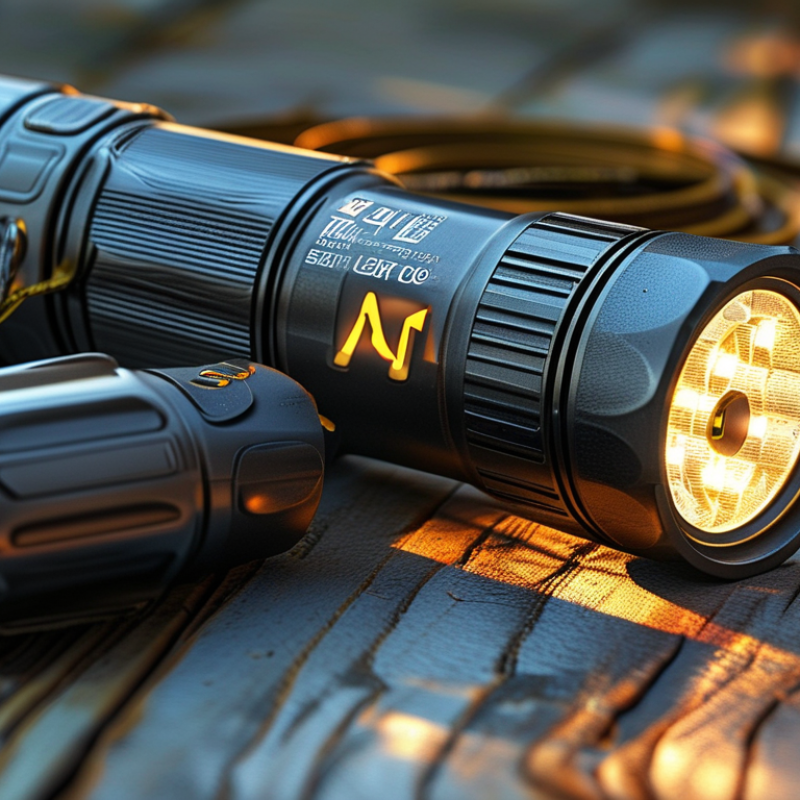
Before choosing an energy-saving LED flashlight, define where and why you will use it. A small model suits bedside drawers, car compartments, and short power cuts. For hiking, choose a wider beam and a secure grip. For maintenance work, a stable base may matter more than maximum brightness. Do not judge performance by lumens alone. A very bright beam can drain batteries quickly and create harsh glare indoors. Check the stated runtime at a practical brightness level. The highest setting is rarely the most useful.
Examine the conditions around your hands and clothing. If you work outdoors, look for water resistance, impact protection, and a switch that is easy to press with gloves. An IP rating provides useful information, but it does not make every flashlight indestructible. Rechargeable batteries can reduce waste during frequent use. Replaceable batteries may be better for emergency storage, especially where charging is unreliable. In practical testing, measure how long the light remains comfortably bright, not merely switched on. Some claims seem optimistic. I once trusted a runtime figure and found the beam weak before the stated time ended. That experience changed my preference for clear test details, battery indicators, and simple controls. A flashlight with fewer modes may waste less energy through accidental activation. Five modes? Sometimes unnecessary.
How to Choose an Energy Saving LED Flashlight?
Compare LED Efficiency, Brightness, and Beam Performance
Efficiency starts with lumens per watt, not maximum lumens alone. The U.S. Department of Energy’s 2024 Solid-State Lighting R&D Opportunities report notes that leading LED packages can exceed 200 lumens per watt in laboratory conditions. A complete flashlight usually performs lower. Drivers, lenses, wiring, and heat reduce usable output. Check the rated lumens beside runtime. A 1,000-lumen mode lasting only thirty minutes may waste more energy than a 400-lumen mode lasting several hours. I once compared brightness alone and overlooked this trade-off.
Beam quality needs separate attention. ANSI/PLATO FL 1 testing defines peak beam intensity and beam distance under controlled conditions. Candela shows how strongly light is concentrated, while lumens describe total light output. A narrow hotspot can reach far, but it may leave nearby areas dim. A wider beam feels safer indoors and during close work. Look for regulated output, stable color, and sensible thermal control. High brightness creates heat quickly. The DOE report also explains why thermal management remains important for LED performance and lifetime. A practical test is simple: shine the flashlight across a dark room, then inspect the floor nearby. Uneven spill matters. Color rendering matters too. Reports often omit it. That omission deserves scrutiny. Compare identical modes, record brightness after ten minutes, and treat impressive laboratory figures as estimates, not guarantees.
Compare LED Efficiency, Brightness, and Beam Performance
| Flashlight Configuration | Typical Light Output | LED Electrical Power | Estimated LED Efficacy | Approx. Runtime at Maximum Output | Beam Distance | Peak Beam Intensity | Beam Pattern | Color Temperature | Best Use |
|---|---|---|---|---|---|---|---|---|---|
| Compact AA LED Flashlight | 250 lm | 2.5 W | 100 lm/W | About 1.5–2 hours 2 × AA NiMH |
80 m | 1,600 cd | Wide flood Approx. 50–60° |
4,000–5,000 K | Close-range tasks |
| Efficient Single-Cell LED Flashlight | 600 lm | 5 W | 120 lm/W | About 1.8–2.2 hours 1 × 18650 Li-ion |
150 m | 5,625 cd | Balanced beam Approx. 25–35° |
4,000–5,000 K | General outdoor use |
| High-Output General-Purpose Flashlight | 1,000 lm | 10 W | 100 lm/W | About 50–70 minutes 1 × 18650 Li-ion |
220 m | 12,100 cd | Moderate throw Approx. 15–25° |
5,000–6,500 K | Mixed indoor/outdoor use |
| Long-Range Throwing Flashlight | 1,500 lm | 15 W | 100 lm/W | About 60–75 minutes 1 × 21700 Li-ion |
320 m | 25,600 cd | Narrow throw Approx. 8–15° |
5,000–6,500 K | Long-distance visibility |
| Low-Power Emergency Flashlight | 100 lm | 1 W | 100 lm/W | About 8–12 hours 2 × AA alkaline |
40 m | 400 cd | Soft flood Approx. 60–80° |
3,000–4,500 K | Emergency backup |
| High-CRI Task Flashlight | 500 lm | 6 W | 83 lm/W | About 1.5–2 hours 1 × 18650 Li-ion |
100 m | 2,500 cd | Wide, even beam Approx. 40–60° |
4,000–5,000 K CRI ≥ 90 |
Inspection and close work |
Notes: Values are representative engineering specifications for common flashlight configurations, not brand-specific test results. LED efficacy is calculated as light output divided by LED electrical power. Beam distance is based on the ANSI FL1 convention, where 0.25 lux is the minimum target illumination. Actual performance varies with battery condition, driver efficiency, thermal regulation, optics, ambient temperature, and measurement method.
Choosing an energy-saving LED flashlight starts with its battery system. Lithium-ion cells usually provide strong brightness, high energy density, and many recharge cycles. They suit frequent outdoor use and long night walks. Nickel-metal hydride batteries offer safer, reusable power with moderate capacity. Alkaline batteries remain convenient, but repeated replacement creates more waste and higher long-term costs.
Runtime figures need careful reading. A flashlight may run for 20 hours at low brightness, but only two hours at its highest setting. Look for test conditions, output levels, and regulated brightness. Cold weather can reduce battery performance, especially with some rechargeable cells. My early mistake was trusting the longest number on the package. It ignored the light needed for practical work. Choose a model with several brightness levels and use the lowest useful setting.
Charging options also affect daily efficiency. Built-in USB charging is convenient at home, in a vehicle, or during travel. A removable battery allows replacement without discarding the flashlight, but it requires a compatible charger. Check for overcharge, overheating, and short-circuit protection. Avoid mixing old and new batteries, or combining different chemistries. A charge indicator helps, although inexpensive indicators can be inaccurate. I still check charging time manually when reliability matters. A fully charged spare cell can be useful, but storing it loosely with metal objects creates an avoidable risk.
How to Choose an Energy Saving LED Flashlight?
A durable LED flashlight should survive ordinary drops, rain, and dusty drawers. Look for an aluminum body, a textured grip, and a sealed switch. An IP rating shows resistance to water and dust, but it does not guarantee waterproofing. Check the actual rating and charging instructions. Impact resistance matters too. A cracked lens can reduce brightness and scatter light into your eyes.
Size affects both comfort and battery life. A pocket model suits short repairs, while a longer flashlight may provide better runtime and heat control. Hold it before buying, if possible. The controls should be simple enough for cold or gloved hands. A firm tail switch, clear mode sequence, and memory setting can prevent accidental high brightness. Too many modes sound useful, yet they often slow down urgent use. I once chose a feature-heavy model and regretted it during a power outage.
Tips: Choose regulated brightness instead of a sudden dimming beam. Check for low-battery warnings, overheat protection, and a travel lockout. Rechargeable models should include protected charging and clear battery guidance. Never charge a damaged battery. Independent test reports are more trustworthy than dramatic packaging claims. Keep the lens clean, inspect the seal, and replace worn batteries promptly. I still forget the seal sometimes, which is a useful reminder to check it before outdoor use.
A budget-friendly LED flashlight should match your real needs, not just advertise the highest lumen number. For home repairs, walking, or emergency storage, 300 to 600 lumens may be enough. Higher brightness often uses more energy and increases the price. Check the claimed runtime at different brightness levels, because maximum output may last only a short time. I prefer models with low, medium, and high settings. They provide useful control without wasting battery power.
Tips: Compare the total cost, not only the purchase price. A rechargeable flashlight can reduce battery spending, but replacement batteries may be expensive. Check charging time, battery type, and whether the battery is replaceable. Look for clear technical specifications, safety instructions, and a dependable warranty. Water resistance is useful for rain, but do not assume every model is waterproof. That detail matters.
I once chose a very bright flashlight for occasional outdoor use. It was powerful, but the battery drained faster than expected. A cheaper, moderate-output model would have suited me better. This was a useful correction. Before buying, hold the flashlight if possible and check its grip, switch, weight, and charging port. Independent test results can support the manufacturer’s claims, though testing conditions differ. A sensible choice balances brightness, runtime, durability, and maintenance costs. Your budget should cover ownership, not merely checkout.
Define the main use first. A compact light suits drawers, cars, and brief outages. Hiking needs a wider beam and secure grip. Maintenance work may need a stable base.
No. Maximum brightness can drain batteries quickly and create harsh indoor glare. Use the lowest comfortable setting. Not always brighter.
Check runtime at each brightness level. A light may last 20 hours on low power but only two hours at maximum. Measure useful brightness, not mere operation.
Rechargeable lithium-ion cells suit regular outdoor use and long walks. Rechargeable nickel-metal hydride cells offer moderate capacity. Alkaline batteries are convenient but create more replacement waste.
Yes, especially where charging is unreliable. Keep compatible spare cells nearby. Do not mix old and new batteries. Never combine different battery chemistries.
Built-in USB charging works well at home, in vehicles, and during travel. Removable cells allow replacement without discarding the flashlight. Look for overcharge, overheating, and short-circuit protection.
Water resistance, impact protection, and a glove-friendly switch are useful. An IP rating provides guidance. It does not make the flashlight indestructible.
Choose simple controls and fewer unnecessary modes. A battery indicator can help, but inexpensive indicators may be inaccurate. I still check charging time manually. Keep it simple.
Store spare cells in a protective case, away from coins and other metal objects. A fully charged spare can help during outages. Loose storage creates avoidable risk. Cold matters.
Do not trust the longest runtime number without checking its test conditions. I once accepted a package claim, but the beam became weak early. Clear testing matters.
Choosing an Energy-Saving Led Flashlight begins with understanding how and where it will be used. Consider whether it is needed for home emergencies, outdoor activities, work, travel, or daily carry, as each situation may require different brightness, beam distance, size, and weather resistance. Compare LED efficiency, light output, beam focus, and useful runtime rather than relying on brightness alone. A well-designed beam can provide better visibility while using less power.
Battery selection is also important. Check whether the flashlight uses replaceable batteries, rechargeable cells, or a built-in charging system, and compare charging time, runtime, and convenience. In addition, evaluate its durability, weight, grip, controls, water resistance, heat management, and safety features. Finally, balance performance and long-term operating costs with your budget. The best energy-saving flashlight is one that meets your actual needs, lasts reliably, and delivers practical illumination without unnecessary power consumption.